
Notice: Function _load_textdomain_just_in_time was called incorrectly. Translation loading for the wp-user-avatar domain was triggered too early. This is usually an indicator for some code in the plugin or theme running too early. Translations should be loaded at the init action or later. Please see Debugging in WordPress for more information. (This message was added in version 6.7.0.) in /home/industr7/jaybirdblog.com/wp-includes/functions.php on line 6131
Jay Bird, Author at Jay Bird Blog - Page 21 of 22

Author: Jay Bird

  • 5 Important Questions to Ask Your Lawn Care Company

    5 Important Questions to Ask Your Lawn Care Company

    Your lawn is the first impression people have of your house, and like any first impression, it’s important that you make the right one. Hiring a professional lawn care service ensures that you always will—as long as you hire the right company.
    Ask the following five questions before you purchase a lawn care service:

    1. What services do you want?

    Do you enjoy lawn care and want to do some of it yourself? Or is the company going to do everything from fertilization to mowing and shrub/tree maintenance? What about winter proofing and other seasonal maintenance?

    Some companies only offer basic mowing and tree/shrub maintenance, whereas others offer any lawn care related service you can think of. Lawn care companies that offer more services also frequently offer bundled service packages, and many will negotiate individualized service packages.

    2. How would you like to pay?

    Would you like to make a single annual payment and not have to worry about lawn care for a whole twelve months? Are small monthly payments better for your budget? Do you want to be able to cancel your service at any time?

    Many companies offer both a lawn maintenance service with a monthly fee and one-time services that require a single payment. Some also allow you to make a single annual payment on maintenance services. This costs more up front but often saves you money in the long run.

    3. What companies serve your area?

    Now that you know what you’re looking for, it’s time to begin the search. Start by asking your neighbors for recommendations. They’ll likely be able to give you an insight into how the services actually work, rather than just a company name.

    Once you’ve got a list of names, take the time to research each one individually. Look through the company’s website, and if you’re impressed, search for reviews on third party websites. A company will always curate only the best testimonials on their website, so the information on third party sites is the most trustworthy.

    4. What kind of licensing do they have?
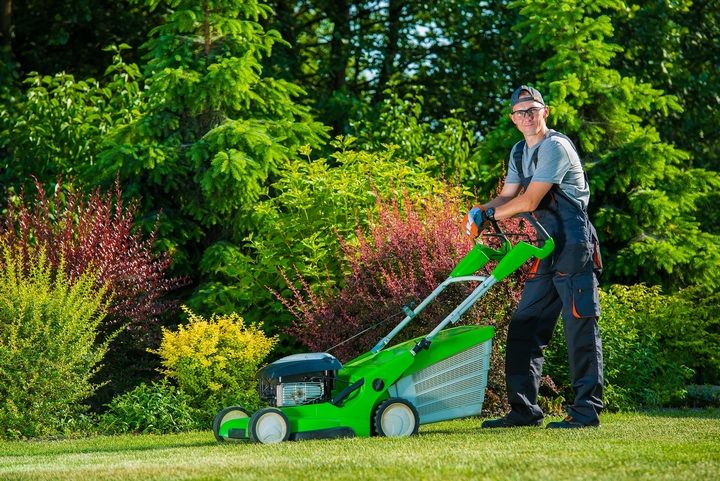
    States, provinces and even some municipalities have their own local bylaws governing licenses for lawn care services. Research what the licenses are in your area, then look for that licensing on company websites.

    Using an unlicensed company is often more affordable, but licensing implies a certain level of training and competence in the field. If you want the best possible care for your lawn a licensed professional is always the way to go.

    5. What kind of insurance do they have?

    You don’t need to know every little detail of their policy, but you do need to know that you won’t be held financially responsible for injuries workers receive on your property. A good company should at least have insurance covering injuries and damage to equipment on your property. This keeps everyone involved safe.

    You probably won’t be able to find this information on the company website, but don’t be afraid to ask during your initial consultation. If they hesitate to answer or can’t provide an answer, run the other way. The last thing you need is a lawsuit from an injured lawn worker.

    Most lawn care companies now offer some kind of free consultation/estimate service, so you can get specific quotes from various companies and compare. Always get quotes from at least three companies to make sure you’re really getting the best deal.

  • 7 Plumbing Nightmares That Made Me Quit and Call the Plumber

    7 Plumbing Nightmares That Made Me Quit and Call the Plumber

    Even if you are skilled in home repairs, eventually, sooner or later, you will need to call a plumber to fix something that requires more than just being handy. Plumbers go through more than four years of training to become fully certified in their field. As a result, you can see that it can take a lot of know-how to fix something that might have seemed like a minor problem at first. Some problems tend to more obviously require the help of a professional and while others might not seem like a big deal at first, they might still require the knowledge of a professional plumber.

    1. A Dripping Faucet

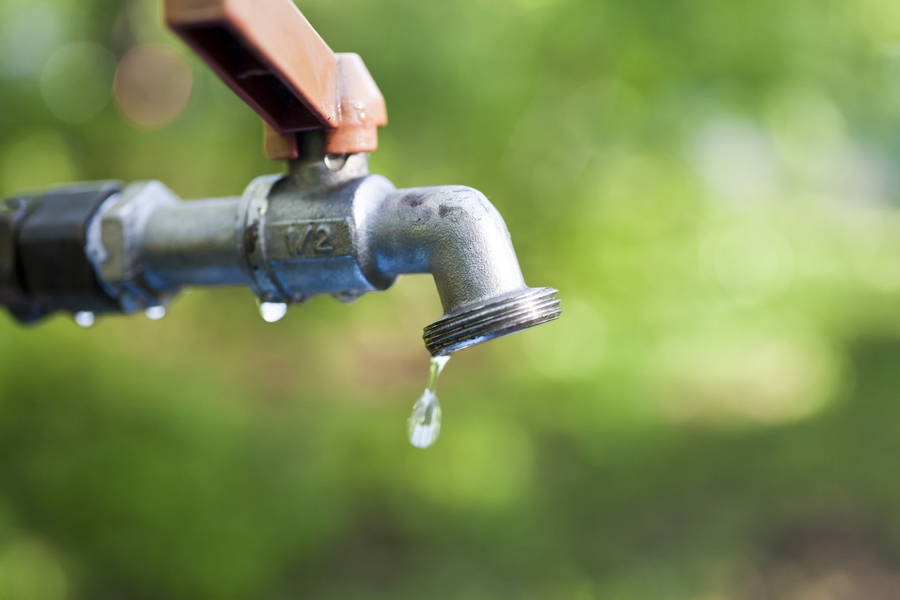
    A dripping faucet might not seem like bid deal but it adds up quickly. One drip per second can add up to a wasted 3,000 gallons per year. Not only will that end up costing you over the long haul, but it also very wasteful. While a basic faucet leak is something that you might be able to repair yourself, frequently, a faucet leak might be indicative of a much bigger problem that should be checked out by a plumber. If you are unable to fix the problem yourself or can’t find the reason for the leak, you should call a plumber.

    2. Bathtub Clog


    A clogged bathtub, if left unresolved, can cause a multitude of costly issues down the line. The best time to address the issue is when your tub starts to drain slowly.

    3. Water Pressure

    Inconsistent water pressure throughout the house can be a sign of a more serious problem. If the problem is in only one area such as a sink or a single faucet, it might just need cleaning but a widespread problem will require the help of a plumber to diagnose and solve the issue.

    4. Clogged Toilet

    A clogged toilet that won’t drain with the help of a plunger can be a sign of a sewage line issue. It is inadvisable to try and solve such a clog yourself and a plumber will be much more suited for the task.

    Of course, with certain other problem a plumber should be called as soon as possible due to the complexity of the issue. In these situations, it is best not to attempt to fix the problem yourself.

    5. Frozen Pipes

    Frozen lines can cause a massive amount of damage to your pipes which will require extensive repairs. In this situation, instead of attempting to thaw the pipes yourself, you should contact a plumber that will quickly solve the issue. Thawing out frozen pipes requires careful precision and without the proper experience, you are likely to cause a lot of damage to your pipes.

    6. Water Line Damage

    Water line damage, that is frequently caused my frozen pipes, can take a lot of time and work to repair. Attempting to do this sort of work yourself is not only a bad idea but it can end up being much more expensive than hiring a plumber to do the job.

    7. No Hot Water

    A lack of hot water signifies a problem with the water heater, but without a plumber it might take quite a while to figure out what exactly is wrong with the one that you got. A plumber can quickly asses what went wrong with your water heater and will able to advise you whether you can repair yours or if you should replace it completely.

    There is a multitude of problem that might require the help of a plumber. While you might be able to fix certain small issues around your house yourself, it is a good idea to call a professional when the issue isn’t quickly resolved as it might be indicative of a more serious problem that requires the knowledge of a professional. To find a professional plumber in Canada or the U.S., you can use Homeadvisor’s “Plumber Search.”

  • Don’t Sleep & Drive: 5 Tips for Truck Drivers to Stay Wide Awake

    Don’t Sleep & Drive: 5 Tips for Truck Drivers to Stay Wide Awake

    Trucks, truck drivers and trucking companies have dominated the headlines this year. Everything from automation to the long hours, the trucking industry has taken its fair share of jabs recently. Unfortunately, there is one particular story that needs to be rectified: overworked drivers making mistakes. In today’s economy, trucks are making long trips, drivers are not getting enough sleep and accidents are happening. This is a terrible trend, and it’s causing the media to lose their shirts.

    So, what’s the solution? Well, it may not end the entire industry’s issues, but it is a step in the right direction: keeping the drivers awake and alert. Long-haul trips are an inevitable part of the job, but the drivers need to endure the multi-day drives. A good, reliable Canadian trucking company will ensure their drivers are well-rested and prepared to handle the prolonged shift. But how is that even possible?

    Here are five long-haul tips every trucking company should give drivers to stay awake:

    (more…)

  • 6 Key Clauses I Want in My Employment Contract

    6 Key Clauses I Want in My Employment Contract

    The hiring of consultants, contractors, or remote workers is becoming increasingly relevant in the workforce. Companies are finding this employment option more attractive because there are many advantages to hiring contract employees opposed to a full-time employee. Mainly, there is a long term cost savings, as is it not required to provide benefits, such as insurance or paid-vacation, to contract workers as it is to full-time permanent employees. Another advantage includes the ability to rotate, change or remove the contracted worker if you are unsatisfied with their completed work.

    Though this temporary employee is not gaining permanent work, a contract that details the length, description, and pay is required. It can be difficult to differentiate what should be included and excluded from a non-permanent employee contract compared to a permanent employee contract and what additional terms need to be noted.

    The following are six key factors that need to be included in a temporary employment contract.

    1. Length of Employment

    With a permanent employment contract, the length of employment is not stated as it is assumed that the employee is hired for an indefinite amount of time. However, with a temporary contract, it is crucial to state the initial length of employment so term such as deadlines and payment can be arranged within that stated time period. The length of employment can be adjusted at any time after the contract has been signed if agreed upon by both parties.

    2. Pay – hourly wage and overtime wage (if applicable)

    For temporary employees, an hourly wage opposed to an annual salary is most often stated. In this section of the contract, items such as overtime or sick pay need to be clearly established. If overtime pay is not available for your contracted employee, they are not required to complete more than the predetermined hours.

    3. Job Description

    Along with the length of the employment, a detailed job description needs to be clearly defined for that stated time period. As the contracted employee is not receiving benefits or full time compensation, they are able to reject tasks that are not in the scope of their job description. This section of the contract may also include a specific set of tasks with corresponding deadlines.

    4. Terms of Early Termination

    In most cases, an employer has the right to terminate employment of a temporary worker with little or no notice. To avoid future legal issues, clearly state your termination clauses, with or without reasoning.

    5. Statement of No Special Consideration for Permanent Availability

    Many workers accept a temporary position with the aspiration for it to lead to a permanent position. Though this may be possible, it is important to state within the contract that a temporary employee will not be under special consideration for a permanent opportunity and must compete with all other applicants.

    6. Level of Security Clearance to Internal Information

    A risk involved with hiring an external, temporary worker is that they will become exposed to potentially sensitive company information. In order to protect your company after the length of the contract, initially state the level of information the employee is privy to.

    Before signing your proposed contract and hiring a non-permanent worker, be sure to review all terms and clauses with your lawyer. You want to ensure that the contract highlights the non-permanent status of the employee and includes all details required for the termination or expiration of the contract.

    If all clauses in the contract are validated by an employment lawyer, and accepted by the employee, your company can greatly benefit from a temporary or contract worker.

  • 4 Flooring Tips I Would Recommend for Garage Renovations

    4 Flooring Tips I Would Recommend for Garage Renovations

    How disgusting is your garage floor right now? If you have had an automobile since you moved in, then it is likely your concrete floor is pretty gross, thanks to all the oil, dirt and grease. No matter how hard you have tried to clean your garage floor, nothing has worked. You may have no other choice but to apply garage epoxy flooring to remedy your car hold’s current state. Moreover, even if nothing is wrong with your garage, you may really want to transform the dreary and boring conditions of your garage.

    You can make it look like a chop shop or you can make it appear like a mechanic’s oasis. It is entirely up to you.You just need to know that epoxy is tough, lasts a long period of time and can resist grease, oil and other substances that would normally damage other types of generic paint. It’s also easy to clean, comes in a wide variety of colours and is affordable to purchase.

    Here are several helpful tips for applying epoxy flooring in your garage:

    1. Perform an Inspection of the Garage Floor

    A couple of days before you apply your epoxy paint, you should perform an in-depth inspection of the garage flooring. You need to be on the lookout for things like cracks and damage. Should you locate any significant cracks or damage then it is important to repair them immediately before you apply the paint.

    2. Clean the Garage Floor & Try to De-grease

    The next step to take is to gather all of your stuff, place it outside of the garage and begin to clean the garage floor. We warn you in advance: it’s going to be quite the mess for the next little while. You should wipe everything down, sweep the dirt away and begin to mop the floors. Also, if you come across a lot of grease then you need to do your best to degrease the floor. This can be achieved by using a power washer and/or by purchasing certain products available.

    3. Test for Moisture in Your Concrete

    Experts say that the major cause for epoxy-coating failure is moisture. When a piece of concrete has too much moisture, you must refrain from applying epoxy. Here is the best way to determine moisture: lift the corner of a plastic bag that has been taped to the garage floor for about a day. If it is dry then you don’t have moisture, but if it is moist then you have moisture – if it is the latter then you cannot apply epoxy.

    4. Prepare the Room for the Paint Job

    Once you have determined that now is the right time to apply epoxy, you need to prepare the room for the paint job. This should consist of removing all of the content on the floor to the outside and tape corners of the room, similar to how you would paint a room in your home.

    You need to select the right product for the job at hand. Once you do, it is up to you when to begin painting your garage floor. You will need an angle grinder, masking tape, safety glasses, a utility knife and a painting kit. This will help you achieve the task at hand.

    Whether you want to simply make your garage great again or you want to spruce it up a bit, you need to clean the car hold, degrease the floor and utilize your epoxy paint. Once this is complete, you will be pleased with your garage, and you can be assured that the grease won’t cause any damage ever again. Epoxy coating makes your garage floor strong and sturdy.

  • 4 Benefits Since I Started Shopping at Health Food Stores

    4 Benefits Since I Started Shopping at Health Food Stores

    Health food stores first started entering the marketplace in the 1920s and 30s. However, they didn’t become popular until the 1960s and 70s, which is sometimes attributed to the ecology and counterculture movements. Health food stores are grocery stores that provide to their customers organic foods, local produce, health foods, and, frequently, nutritional supplements. The appeal of health food stores is that they offer a more specialized selection of these foods to their customers.

    As a result, health foods stores are popular among vegetarians, vegans, athletes, bodybuilders, people with restricted diets due to food allergies, and other specialized diets. Of course, the health food store customers are not limited to these groups of people, anyone who is interested in buying a specialty product or improving their diet might also be a customer.

    These are many different reasons why someone might want to shop at a whole food store. Listed below are some of the most common reasons.

    1. A focus on health

    As mentioned above, health food stores specialize in health foods. As a result, for a health conscious customer, shopping at a health food store can mean a significantly healthier diet. Not only does shopping at a health food store allow one to swap their regular grocery variety items for healthier alternatives, but it can also introduce its customers to new health foods that the customer might enjoy. Shopping in a health food store can also be an educational experience as it can teach you more about nutrition an how it can affect your health.

    While there is no official definition for the term “health food,” there are terms that are frequently associated with it: organic, whole, macrobiotic, natural, and others.

      • Organic – Organic foods are foods that comply with the standards for organic farming in your country or area. This frequently means that the food was grown with a limited amount of pesticides and fertilizer. Organic farming also strives to promote biodiversity, cycle resources, and promote ecological balance.
      • WholeWhole foods are usually plant foods that have been minimally processed and are either unrefined or are minimally refined. Whole grains are perhaps the best examples of a food that is frequently labeled as “whole” but it can also be used in regard to legumes, nuts, seeds, fruits and vegetables.
      • Macrobiotic – A macrobiotic food is a food that adheres to the principals of a macrobiotic diet, a diet that is associated with traditional Chinese teachings or Zen Buddhism. The diet focuses on whole grains, vegetables, seaweed products, fermented soy products, and different seeds.
      • Natural –  Like the term “health food,” there is no exact definition that is associated with the term “natural” but it usually means a food that has been minimally processed and/or contains a minimal amount of food additives such as sweeteners, coloring, flavoring, hormones, and antibiotics.

    2. Environmentally conscious

    Health food stores tend to be more environmentally conscious and, as a result, their businesses frequently leave a smaller carbon footprint on the local and the world’s environments. Health food store items frequently strive to implement eco-friendly alternatives in their business models, e.g., recycling.

    3. Helping out your local community

    Health food stores are also frequently involved in their local farming community and help support it. Many health food stores choose to support their local farmers by purchasing and selling their produce.

    4. A sense of community

    Due to the fact that health food stores are environmentally conscious and frequently choose to support their local farmers, these stores frequently create a sense of community for their customers. If you are passionate about your community and want to support it, shopping at a health food store is a great way to go about accomplishing such a goal.

  • 4 Guidelines I Use to Find a Mortgage Broker

    4 Guidelines I Use to Find a Mortgage Broker

    When looking to buy a house, every potential future homeowner is faced with a decision of going through a mortgage broker or a big bank. Each choice has its own advantages but, if you are looking to get the best deal possible, a mortgage broker is frequently your best bet.

    There are several options that a person can use when looking for a mortgage broker.

    1. Decide on Bank vs. Broker

    When you go through a major bank to obtain your mortgage, you will get assigned a loan officer that will go over all the new lingo and tell you what your options are in terms of payments. You can usually get a decent rate if you are a skilled negotiator. Like most advertised pricing in negotiating industries, the advertised rate is almost never the best offer.  Loan officer get paid through a combination of salary, commission, and bonuses. As a result, they have little incentive to get you the best deal and, sometimes, it can even be quite the opposite (they will make more money if you get a worse deal).

    • Big Bank Advantages: coast to coast availability (it is rare to not have a major bank somewhere within your vicinity),  extra bank perks such as free-banking, safety deposit boxes, etc., assistance with closing costs such as appraisal fees, possibility of obtaining a home equity line of credit (HELOC).

    On the other hand, mortgage brokers are freelancers who work between the lender and the borrower to find the lender the best deal. Mortgage brokers find lenders the best rates by obtaining information from the lender, calculating potential loans, discussing fixed versus variable mortgage options with the lender, and sending out applications to banks. Mortgage brokers can even help people get approved for a mortgage when their credit makes it difficult for them to get an approval from a major bank.

    • Mortgage Broker Advantages: a variety of mortgage options that allow lenders to get the best possible rates, more flexibility in terms of obtaining approval for a mortgage, an excellent option for those who dislike hard negotiating (the only way to get a good deal from a major bank), some mortgage brokers offer incentives such as assistance with appraisal fees for word-of-mouth recommendations.

    2. Referrals

    There is a reason as to why some mortgage brokers offer extra incentives to their clients and that is because referrals are a powerful tool for both the business and the client. Family, friends, and even friends of friends can all be excellent referrals when looking for a mortgage broker.

    3. Real Estate Agents

    Loan agents witness a lot of loan closings. As a result, they are likely to have several suggestions available when asked about a mortgage broker. Some real estate companies even have their own in-house lenders.

    4. Online Mortgage Brokers/Databases

    Online mortgage brokers are a huge percentage of today’s mortgage brokerage market. They are an excellent choice for people who prefer to do everything online. However, if you prefer to deal with a person face to face, you can still utilize the online mortgage brokerage databases to find a broker near you. If you are searching for a broker in Ontario, the Financial Services Commission of Ontario has a searchable database of licensed mortgage brokers.

    When looking for a mortgage broker, it is important to remember to shop around. Schedule an interview with several different brokers so that you can compare and contrast. During the initial meeting, remember to ask about closing times, requirements (credit score, debt to income ratio, and down payments), rates, and fees. A mortgage broker can be an excellent tool for those looking to get the best possible rate on their mortgage. A fraction of a percent off your mortgage rate can mean an immense amount of overall savings on your mortgage and monthly payments.

  • 8 Reasons Why I’m Driving a Honda

    8 Reasons Why I’m Driving a Honda

    Buying a car is an investment and buying a Honda is one of the best investments that a car owner can make when purchasing a new vehicle. Whether you are looking to buy a used or a brand new car, choosing a Honda is one of the best, as well as most cost-effective, decisions you can make. Honda is a Japanese automotive company with a proven track record for reliability. Honda’s lineup of cars is also very robust.

    No matter what type of car you are looking forward, it is likely that Honda has something that will fit your needs. On top of all of that, Honda is known as an innovator in the field of car manufacturing and, when you buy a Honda, you know that you are getting all of the latest available technological innovations. All in all, a Honda is an excellent vehicle that is cost-effective and reliable.

    1. Award Winning Company

    The award list for Honda’s vehicles is rather extensive. The company received Car and Driver’s “Top Manufacturer Award” 80 times. Honda also received this award more than any other manufacturer. Honda’s Civic, Fit, Accord, Odyssey, and Pilot have all been on the top “10 Best Cars” list several times. Besides Car and Driver awards, Honda has also received “Greenest Automaker”, “Best Buy Award”, “Top Safety Pick”, and “Best Overall Non Luxury Brand.”

    2. Reliability

    With proper maintenance a Honda will easily surpass 150,000 km and there is no shortage of customers for whom a Honda has lasted for 400,000 km or more. Besides taking the “Most Trusted Brand” award, many of Honda’s vehicles are also consistently ranked at the top of the list for reliability by consumer reports.

    3. Customer Satisfaction

    All of the above mentioned awards aren’t for naught either. Hondas are consistently highly rated by their owners. According to statistics, Honda also has the highest customer loyalty among other car manufacturers. Honda has won several Polk Loyalty Awards.

    4. Fuel Efficient

    Buying a Honda means that you are buying a car from an industry leader in the fuel-efficiency market. Several of Honda’s models are rated at 30+ mpg on the highway and the entire brand boasts an average mpg rating of 25 for city driving. Since Honda likes to give its customers a large variety of options, it also has a great selection of hybrid vehicles.

    5. Environmentally Friendly

    Honda’s vehicles are eco-friendly to boot, which means that Honda’s cars are not only fuel-efficient but they also pollute significantly less than any other car brand. The Honda Civic Hybrid and the Honda Insight are both regarded as the greenest cars by the American Council for an Energy Efficient Economy (ACEE).

    6. Latest Technology

    If you like your vehicles to come with the latest technologies, then a Honda is a perfect fit because Honda is constantly innovating and experimenting with new technologies. Honda’s vehicles are the leaders in advanced safety, comfort, and performance features.

    7. Safety

    The Honda Civic and the Honda Insight are the top safety picks by the Insurance Institute of Highway’s Safety (IIHS) and many of Honda’s other vehicles consistently receive high safety scores.

    8. Affordability

    Honda’s vehicles are either on par or beat out the prices of similar models of their competitors. This, and the fact that Honda’s vehicles are some of the least expensive vehicles to maintain, makes a Honda one of the best financial car investments that a person car make.

    A Honda vehicle, whether new or used, is difficult to beat in any category. Honda’s cars are reliable, affordable, inexpensive to maintain, have the latest technology, are some of the highest rated vehicles by consumers, and they are both eco-friendly and have high safety ratings. This makes Honda’s vehicles some of the best cars around to own and drive.

  • 7 Questions (and Answers) I Have About Plastic Surgery

    7 Questions (and Answers) I Have About Plastic Surgery

    Taking on the process of undergoing plastic surgery is a decision that millions make each year. But before embarking on this journey, it’s important for you to make that ideal decision for your long-term requirements. There are many elements to take into consideration as you move forward in choosing your treatment options. To help guide you when making this decision, let’s look at 7 questions to consider before undergoing plastic surgery.

    1. Do I Have Realistic Expectations?

    In going through any sort of cosmetic treatment, it’s imperative you have realistic expectations about the results you can achieve. By reading about the treatment and by working with local specialists in your region, you can gain a more comprehensive understanding on the available treatment and the results achieved.

    2. Do I Fit the Candidate Profile?

    The candidate profile must be considered before choosing your treatment. For example, some treatments require that patients are in optimal general health and they don’t have any underlying issues such as high blood pressure, which can enhance the level of risk involved in the procedure.

    3. What Is the Recovery Process?

    If you’re unable to handle the steps involved in the recovery process, you might not be able to undergo the procedure while ensuring effective results. Oftentimes the recovery process from plastic surgery can involve painful steps and physiotherapy. You might be forced to lay in your bed and rest for a few days after the procedure. If you have a job that requires you to be available or on stand-by throughout the day, the recovery process must be closely reviewed.

    4. Which Procedure Will Help Me Achieve My Goals?

    When you set your goals for treatment, make sure these goals align with the type of treatment you’ll be receiving. Your specialist can guide you on all the available treatment options for your unique cosmetic needs. For example, if you require assistance for crow’s feet and lines on your face, you might consider the latest facelift treatments or Botox. Make sure that you have a full understanding on the value of the treatment before moving forward with the process.

    5. What are the Potential Complications?

    While plastic surgery is now becoming exceptionally common, and professionals are continually improving their techniques to limit the risks involved, there are still some complications that can occur as a result of plastic surgery. Before you move forward in the surgical process, speak with an expert about the various complications that can arise during treatment. You’ll likely never encounter these complications, but the question can help keep you informed so you’re able to make a knowledge-based choice for your long-term needs.

    6. Where Does the Surgery Take Place?

    When evaluating the services of a professional, you might consider whether they plan to complete the treatment in their offices or in a nearby hospital. Your treatment should take place in a location close to your home so that you can enjoy a short trip back afterwards. When evaluating your surgical options, make sure the specialist provides you full information on their surgical site and the precautions their in-house team uses.


    7. What Is the Total Cost?

    If you haven’t considered the financial cost of the treatment, now is the best time to approach the subject. You might find that your specialist offers a number of convenient payment plans. Work alongside their financing experts and you’ll be able to plan for the total cost of treatment over the coming months.

    Through effective research, you can choose the right surgical option for you and your future health needs. Review the content in this blog post and take care to analyze all the steps within the surgical process before making that all important decision. Now is the best time to begin your research!